

Italian vs Indian Modular Kitchens

Modular kitchens have become a central element of modern home design, offering style, convenience, and smart storage. Among the many types available today, Italian modular kitchens and Indian modular kitchens are the most widely preferred. Both styles have unique strengths, design philosophies, and functionality. But choosing between the two can be confusing for homeowners planning a new kitchen or renovation.
This detailed guide breaks down the differences, benefits, and important factors to consider when comparing Italian vs Indian modular kitchens so you can make an informed decision based on your lifestyle, budget, and kitchen usage patterns.
1. Introduction: Why Compare Italian and Indian Modular Kitchens?
Italian kitchens are globally renowned for their luxurious aesthetics, sleek lines, and advanced engineering. On the other hand, Indian modular kitchens are designed to suit the needs of Indian households—high heat cooking, heavy utensils, multitasking, and spicy food preparation.
Understanding how these two styles differ helps homeowners create a kitchen that matches their daily cooking habits and long-term expectations. This comparison highlights materials, design styles, durability, pricing, storage, appliances, and maintenance factors.
2. Design Philosophy: Minimalism vs Practicality
Italian Modular Kitchens
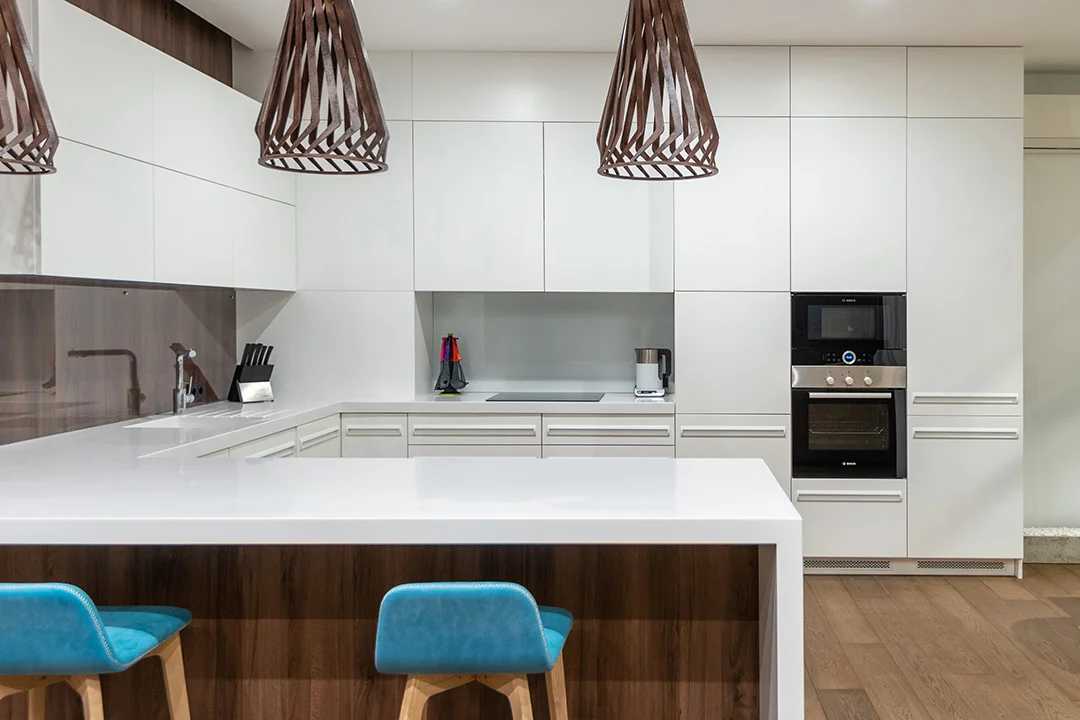
Italian kitchens emphasize:
- Sleek minimalistic designs
- Seamless cabinetry
- Handleless shutters
- Hidden appliances
- Elegant color palettes
They are inspired by art, urban living, and modern luxury.
Indian Modular Kitchens
Indian kitchens emphasize:
- Practicality
- Maximum storage
- Easy cleaning
- Multiple cooking zones
- Space optimization
They are inspired by cultural cooking styles and busy Indian households.
Comparison Insight:
Italian kitchens focus on premium aesthetics, while Indian kitchens prioritize functional comfort.
3. Materials Used: Luxury Finish vs Sturdy Durability
Materials in Italian Modular Kitchens
Italian kitchens commonly use:
- MDF, HDF, and engineered wood
- High-gloss acrylics
- PU lacquer finishes
- Laminam, Quartz, and Italian marble
- Slim-profile countertops
- Aluminium frame glass shutters
These materials create a premium, designer-grade kitchen.
Materials in Indian Modular Kitchens
Indian kitchens often use:
- BWP Plywood
- Marine-grade HDHMR
- Stainless steel options
- Granite countertops
- High-pressure laminates
- Boiling-proof laminates
These materials are heat-resistant, durable, and suitable for Indian cooking.
Comparison Insight:
Italian materials offer elegance but require delicate handling, while Indian materials are built to withstand heavy daily use.
4. Durability & Performance: Which Lasts Longer?
Italian Kitchens
- Not ideal for heavy oil-based cooking
- Sensitive to moisture and heat
- Best suited for light to moderate usage
- Glossy surfaces can scratch easily
Indian Kitchens
- Designed for intense cooking
- Resistant to heat, moisture, and spices
- Granite countertops stay strong for years
- Perfect for tawa frying, pressure cooking, and grilling
Comparison Insight:
Indian modular kitchens are more durable for everyday Indian cooking styles.
5. Storage Solutions: Smart Technology vs Functionality
Italian Storage Features
- Vertical storage
- Motorized lift-up cabinets
- Built-in appliances
- Slim pull-out units
- Drawer organizers
Indian Storage Features
- Deep drawers for heavy utensils
- Thali and kadhai storage units
- Tall pantry units
- Corner magic units
- Bottle pull-outs
- Masala racks
Comparison Insight:
Italian kitchens offer high-end mechanisms, while Indian kitchens offer highly functional, culturally adaptive storage.
6. Countertops & Working Space
Italian Countertops
- Sleek, stylish, thin-profile countertops
- Use of premium quartz, marble, or porcelain slabs
- Perfect for minimal, aesthetic designs
Indian Countertops
- Thick, sturdy granite or quartz countertops
- High heat and stain resistance
- More working area for chopping, mixing, kneading, and cooking
Comparison Insight:
Indian countertops are more practical for daily cooking; Italian ones focus on visual appeal.
7. Kitchen Layouts: Open Luxury vs Efficient Spaces
Italian Kitchen Layouts
- Spacious, open kitchens
- Island and peninsula concepts
- Focus on entertaining guests
- Seamless integration with living rooms
Indian Kitchen Layouts
- Compact or medium-sized spaces
- L-shaped and U-shaped kitchens
- Utility areas included
- Space-saving designs for apartments
Comparison Insight:
Italian layouts are ideal for big spaces, while Indian layouts maximize utility in smaller homes.
8. Appliances & Integration
Italian Modular Kitchens
- Fully built-in appliances
- Wall-mounted ovens
- Concealed chimneys
- Smart induction cooktops
- Sensor-based drawers
Indian Modular Kitchens
- Powerful chimneys for Indian frying
- Gas stove or hybrid cooktops
- Rice cookers, mixers, microwaves
- Heavy-duty exhaust systems
Comparison Insight:
Italian kitchens emphasize technology; Indian kitchens emphasize high performance.
9. Color Palette & Finishes
Italian Kitchens
- Neutral colors (white, beige, grey)
- Earthy tones
- Matte & gloss finishes
- Pastel shades
- Metallic accents
Indian Kitchens
- Bright colors (red, blue, yellow)
- Wood textures
- Gloss laminates
- Dual-color combinations
Comparison Insight:
Italian kitchens look calm and luxurious, while Indian kitchens bring vibrancy and warmth.
10. Cost Comparison: Luxury Pricing vs Budget Flexibility
Italian Modular Kitchen Cost
- Higher cost due to imported materials
- Premium hardware & finishes
- ₹5 lakh to ₹25 lakh or more
Indian Modular Kitchen Cost
- More budget-friendly
- Local materials and hardware
- ₹1.5 lakh to ₹10 lakh on average
Comparison Insight:
Italian kitchens are a luxury investment, whereas Indian kitchens accommodate a wider budget range.
11. Maintenance Requirements
Italian Kitchens
- Requires high maintenance
- Needs regular cleaning
- Sensitive to scratches
- Not suitable for rough usage
Indian Kitchens
- Low maintenance
- Easy-to-clean laminates
- Strong countertops
- Heavy-duty hardware
Comparison Insight:
Indian kitchens are ideal for daily heavy-duty cooking.
12. Installation & Customization
Italian Kitchens
- Limited customization
- Designs come pre-defined
- Installation takes longer due to imports
Indian Kitchens
- Fully customizable
- Can match Indian storage needs
- Fast installation by local experts
Comparison Insight:
Indian kitchens offer better customization and flexibility.
13. Aesthetic Appeal: Contemporary vs Practical
Italian Modular Kitchens
- Sleek lines
- Seamless look
- Minimalistic beauty
- Perfect symmetry
Indian Modular Kitchens
- Blend of modern and traditional
- Practical geometry
- Heavy function-based design
Comparison Insight:
Italian kitchens offer striking luxury appeal, while Indian kitchens offer balanced beauty with utility.
14. Which Kitchen Is Right for You?
Choose Italian Modular Kitchen if:
- You prefer luxury aesthetics
- Your cooking involves less oil/spice
- You love modern, clean designs
- You enjoy open kitchen concepts
- Budget is not a limitation
Choose Indian Modular Kitchen if:
- You cook daily with heavy Indian methods
- Need maximum storage
- Want a long-lasting setup
- Prefer budget flexibility
- Need easy maintenance
15. Conclusion: Choosing the Best Kitchen for Your Home
The debate between Italian vs Indian modular kitchens depends on your lifestyle. If you love minimalism, sophistication, and modern aesthetics, Italian kitchens offer unmatched luxury. If durability, functionality, and heavy cooking compatibility matter more, Indian kitchens are the best choice.
In the end, the perfect modular kitchen strikes a balance between beauty, practicality, and long-term comfort. Evaluate your cooking habits, space, budget, and maintenance expectations before choosing the ideal kitchen style for your home.